After 12+ years, three businesses, and hundreds of clients, I’m convinced of one thing: demand is your business’s lifeblood.
Here is my definition of demand: the number of people who want what you have and will pay you to get it.
Every other metric tell you about today, maybe the next sales cycle: clients served, cash on hand, whether you and your team are keeping up with the work.1 Demand tells you whether you’ll have what you need tomorrow to grow, or to even stay in business.
Most business owners understand this intuitively. We can feel the difference when people seek us out and when they don’t.
What’s less intuitive: not all demand is the same.
Power Your Work
Think of demand as the electricity that powers your workshop.2 If the power is steady—people want what you have and will pay for it—you can keep your tools running and do good work.
As the owner, you are responsible for generating that power: solar panels, a wind turbine, gasoline, even a hand crank. But these share a flaw: when the generator stops, the power stops. Unless you can store it.
This is the difference between generated demand and durable demand.
You can have great marketing, paying clients, and cash reserves and still be months from running out of power. Or you can have none of it and still have people waiting to give you their time, money, and attention.
Let me give you two examples.
LittleThings
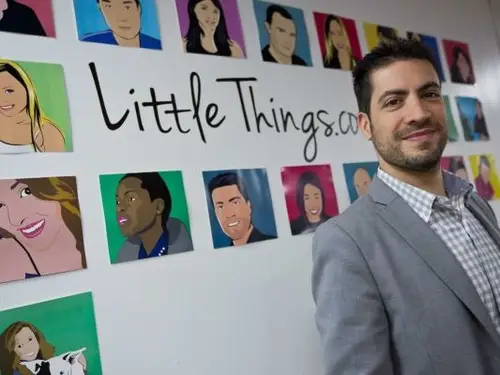
In under three years, LittleThings became one of the country’s largest online publishers. By 2017, their feel-good how-to content for women had brought them 12 million Facebook followers, the platform’s most popular post in 2015, and the 23rd-largest site in the U.S.—ahead of LinkedIn and FoxNews.com.
By every visible metric—followers, views, monetization—LittleThings looked like a sustainable hit. Viewers loved what they saw and clients were happy with the engagement it delivered.
But you probably remember LittleThings about as well as what you ate for lunch three weeks ago. No, they didn’t last.
In early 2018, Facebook changed its News Feed to favor friends over publishers. LittleThings lost 75% of its organic traffic almost immediately, gutting ad revenues. With no other audience to reach, the 30-person editorial team was out of work in under two weeks.
The content stayed up, but the audience didn’t miss it enough to go find it. What looked like demand was a dependency on distribution. When the push stopped, so did the customers.3
Polaroid
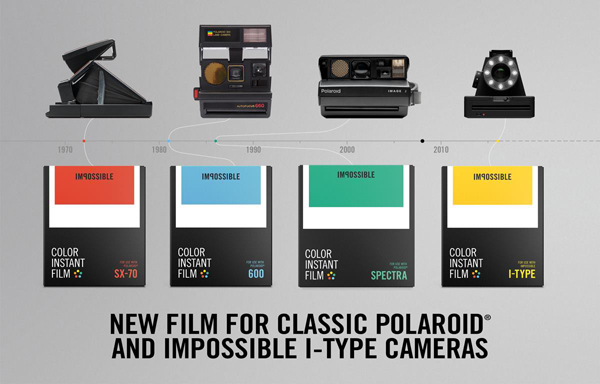
In 2008, Polaroid shut down its film factories in the Netherlands as the 60-year-old company was broken up and sold for parts. Supposedly, nobody wanted analog.
But as store shelves emptied, photographers worldwide hoarded packs and scoured online markets. Polaroid did no marketing—it was a dead brand walking—and fans still gathered around the product. When Polaroid film disappeared from shelves, they paid outrageous prices for expired packs rather than switch formats.
What most people didn’t know was that three people stopped the demolition, raised investor money, bought the machines, and rented the building to try to save instant film.
They called it The Impossible Project—a fitting name considering they had to reinvent instant film from scratch. They released a Polaroid-compatible product after two years of R&D. And it still wasn’t very good.
But it didn’t matter. During the gap, photographers waited. They refused substitutes, paused their work, or rationed old stock. When it arrived, people embraced the imperfect revival because it kept analog photography alive.
In the first year, the company sold more than 500,000 units and generated over $4 million in revenue.
Today, after years of growth, The Impossible Project goes by another name: Polaroid.4
That’s durable demand: people who want what you have and choose you over a credible alternative without needing more persuasion. Put simply, it’s the number of people who consider you the obvious choice.
So your capacity to keep doing good work without active marketing—your battery—depends on how many people think you have something they can’t get anywhere else.
A Bigger Battery
Here’s the 80/20 on creating differentiated value:
1. Find people who are hungry
Find the people who are fed up with the way things are and want it fixed now.
- Look for switching triggers. What event, frustration, or realization makes someone say “I need a change.” Sometimes this is external like a diagnosis or merger announcement. Other times it is psychological, like someone realizing they are getting older (which, for example, may drive a desire to leave something special behind for their family members to remember them).
- Focus on who has the problem now, not who might have it someday. The CFO preparing for an audit is hungrier than the one who “should probably get better at compliance.” The new father holding his infant is hungrier than someone “thinking about estate planning.”
- Stop trying to convince people. Your ideal customer is already looking for someone who gets it. If you’re spending energy creating urgency, you’re talking to the wrong people or you need to solve a bigger problem.
2. Solve problems that keep them up at night
Solve problems people have with existing alternatives and problems that are top of mind.
- Fix what’s broken. Figure out what drives people crazy about you or your competition and fix it. If your clients say lawyers are hard to reach, make yourself accessible. If people say consultants hide their work, document and share everything. Remember: your biggest competition is often the choice to do nothing. Remove the barrier to action and you may have to start turning people away.
- Connect your solution to consequences that actually matter to them. “Better legal strategy” is meaningless. “Protecting your kids’ inheritance from your ex’s creditors” is real. “Improved team dynamics” is vague. “Preventing your best people from quitting during the restructuring” is urgent.
- Frame the transformation, not the transaction. People don’t buy estate planning, they buy peace of mind that their kids won’t fight over money when they’re gone. They don’t buy coaching sessions, they buy dedicated time with someone outside of their organization to process big issues.
3. Make your promise clear
Make it obvious why someone would choose you over credible alternatives, without needing more persuasion.
- Be different, not better. “We’re the best estate planning firm” is unmemorable and unprovable. “We help blended families avoid inheritance warfare” tells someone exactly when to choose you. Different wins by being specific about who you’re for and what you’re solving.
- Lead with conviction. If your answer to “why you?” could just as well apply to your competitor, then you have a problem. Positioning is an art (just look at cupcakes and muffins), but you can start with what you believe is true about the world and why you do what you do. Draw a clear line in the sand.
- Show off your approach, not just your credentials. “20 years of experience” doesn’t create trust like it used to. Compare that to something like “I only take cases where preserving the relationship matters more than winning.” Similarly, “I only work with founders who admit they’re part of the problem” says more about fit than “certified business coach.”
Remember: being the best choice people could find isn’t the same as being the only choice they will accept.